Not sure what separates a commercial vs public art gallery in Sydney? A commercial gallery exists to sell art, while a public gallery holds art for the community. Both are usually free to browse, but their purposes differ.
This page is part of the wider guide to art exhibitions sydney, which looks at gallery shows across the city.
| Item | Key fact |
|---|---|
| Commercial gallery purpose | Run for profit rather than public interest |
| Commercial gallery exhibitions | Free to see; works can probably be bought |
| Art Gallery of NSW status | Most important public gallery in Sydney |
| Art Gallery of NSW general exhibition space | Free admission |
| Art Gallery of NSW visitors | 2,032,098 visitors (2023-24) |
| Art Gallery of NSW first public exhibition | 1874 |
The figures come from Time Out’s 2016 guide to commercial galleries and the Wikipedia entry for the Art Gallery of New South Wales. They can change, so check the source before you rely on them.
What is each type of gallery for?
A commercial gallery is a business. Time Out’s 2016 guide describes commercial art galleries as run for profit rather than public interest, and a 2020 Artlyst essay by Edward Lucie-Smith says they exist to sell art.
The artists a commercial gallery works with are often called its “stable”, a word Time Out uses when describing Sydney’s galleries. The gallery shows their work, and visitors who like what they see can probably buy it.
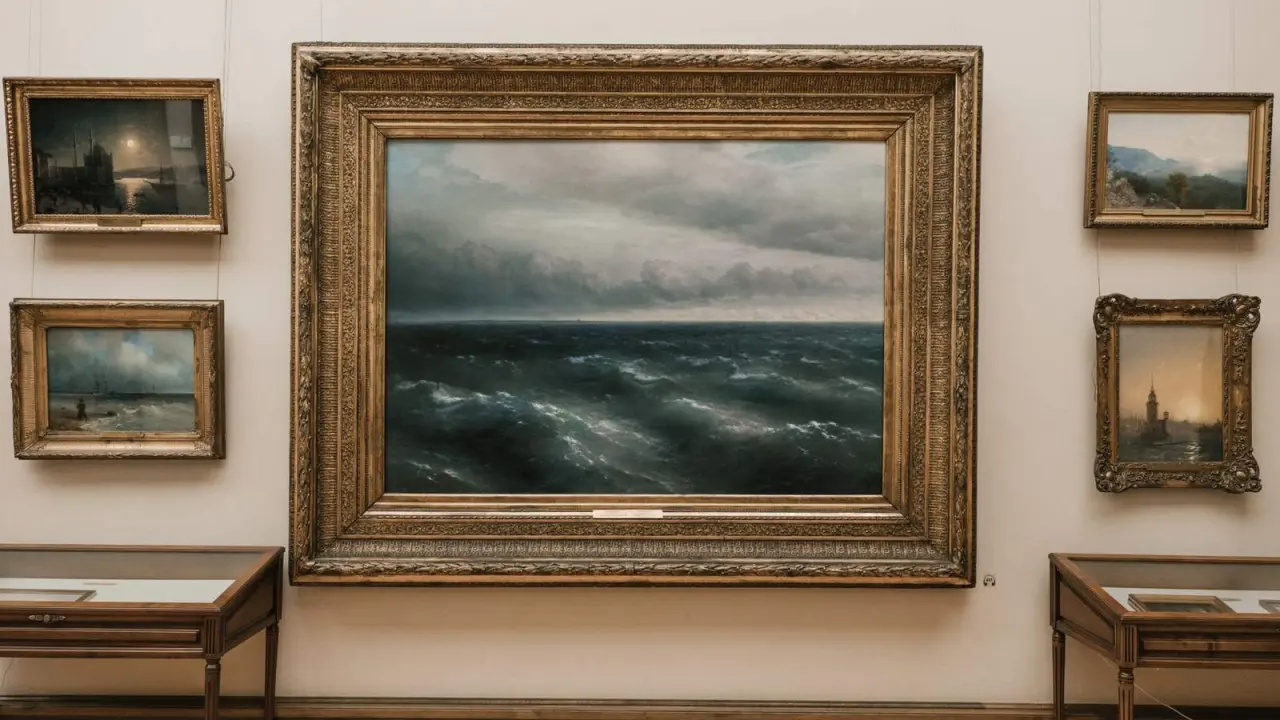
A public gallery is built around a collection and a public purpose. Wikipedia calls the Art Gallery of New South Wales the most important public gallery in Sydney, and notes that an early trustee, Eliezer Levi Montefiore, believed the public should have access to the “educational and civilising influence” of art bought at public expense.
How do entry, opening hours and cost differ?
Lucie-Smith argues that commercial galleries are essentially shops, so they keep shop hours and do not charge visitors to come in. Time Out agrees that some of Sydney’s best offer free exhibitions in spaces suited to leisurely browsing, and adds that you don’t have to be looking to buy to enjoy them.
Public galleries work differently. Wikipedia’s entry lists admission to the Art Gallery of NSW’s general exhibition space as free, while Lucie-Smith observes that visitors to official galleries are often prepared to pay a fee, as they would for a film or a play.
The Museum of Contemporary Art shows how this splits in practice. As of Sydney Tourism’s check on 10 November 2026, its permanent collection is free and special exhibitions are ticketed at AU$22-28.
Atmosphere can differ too. Lucie-Smith suggests commercial galleries can show a certain coolness (froideur) to visitors who are not buyers, though you can still look around without paying.
Who pays for a public gallery?
Public galleries lean on several income streams: government funding, ticket sales and sponsors. Writing about British galleries in 2020, Lucie-Smith said fees had become more necessary because public galleries are no longer fully subsidised, and that they often look for outside sponsorship to stage temporary exhibitions.
Sydney’s own institutions have faced similar pressure. A Sydney Morning Herald editorial of 29 November 2023 reported that the Art Gallery of NSW had received no extra operational funding despite its footprint doubling the previous December.
The same editorial said the MCA is not a state-run institution but still relies on state and federal government funding. Its director said the museum was contemplating the reintroduction of ticketed entry, so check the venue’s own site for current entry rules before you go.
Where do you see each type in Sydney?
Sydney Tourism’s guide says the city has 30+ commercial galleries, so there is plenty to see without spending anything. A few examples from the sources show the range:
- Art Gallery of NSW (public): free general exhibition space, and in Russh’s August 2025 guide, an Art After Hours session on Wednesday evenings.
- Museum of Contemporary Art (public): a free permanent collection, and Friday nights open late with a rooftop bar, according to the same Russh guide.
- Sullivan and Strumpf (commercial): in Zetland, opened by Ursula Sullivan and Joanna Strumpf in 2005, according to Time Out.
- Chalk Horse (commercial): in Darlinghurst, started by artists in 2007 and, Russh says, once an artist-run initiative before it reverted to the commercial gallery model.
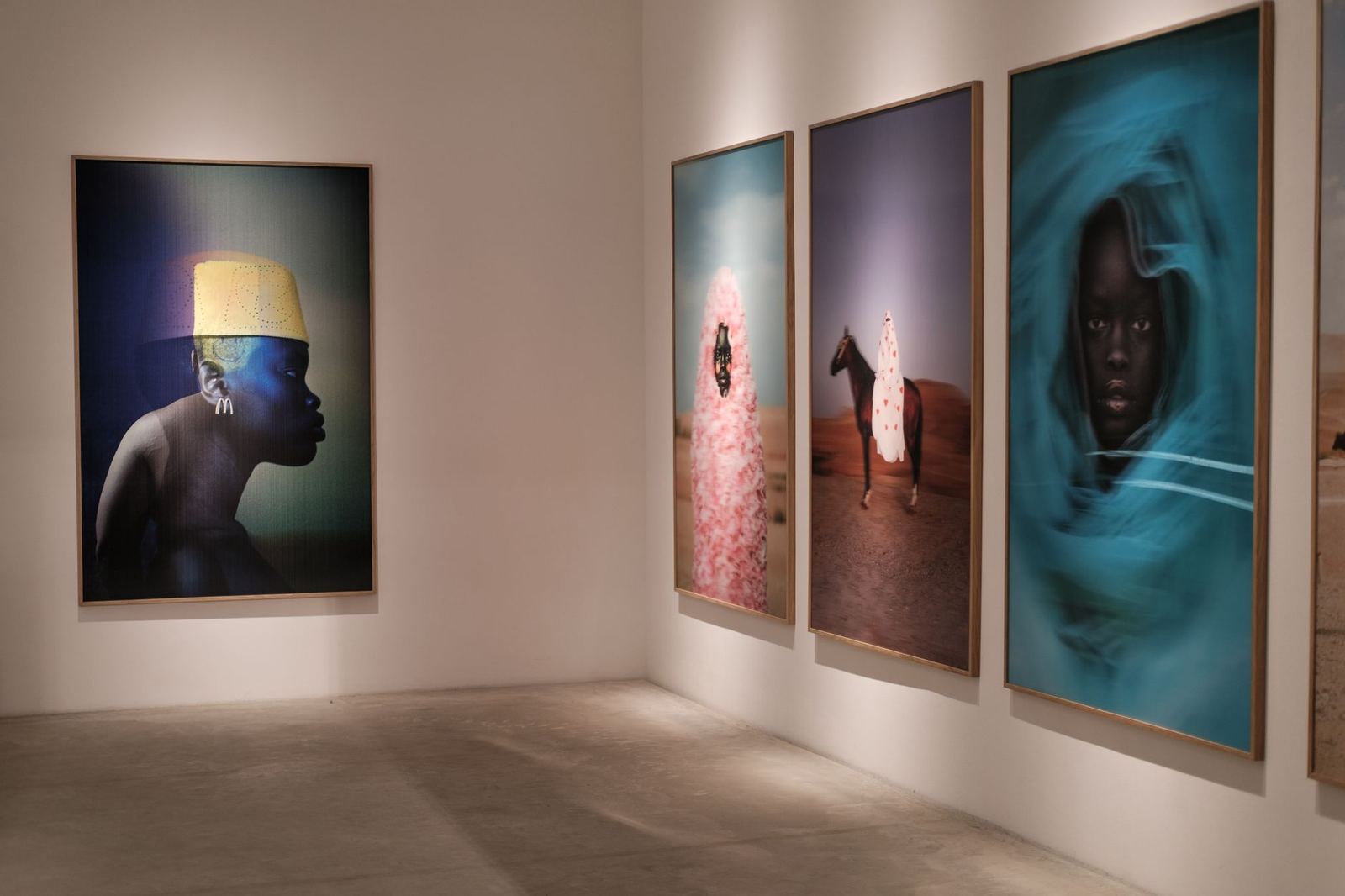
The line between the two can blur. Time Out notes that Artereal, a commercial gallery in Rozelle, also hosts public programs including screenings and talks.
How can you tell which one you are standing in?
A few clues usually settle it:
- Check the hours. Shop-style opening hours point to a commercial gallery.
- Look at the entry. A ticket for a special exhibition points to a public gallery, although its general spaces may be free.
- Ask whether the work can be bought. Time Out’s line that “you can probably buy it” describes commercial spaces.
Once you are inside, the wall text is a good place to start, and a guide on how to read an artwork label is a useful companion.
Events are another clue. Lucie-Smith says fashionable openings at commercial galleries are part of a publicity mechanism aimed at promoting sales, and a guide to an exhibition opening night shows what to expect if you go along.
Frequently asked questions
Can you walk into a commercial gallery without buying anything?
Show answer
Yes. Time Out says you don’t have to be looking to buy to enjoy Sydney’s commercial galleries, and Lucie-Smith notes they do not charge visitors a fee to enter.
Are public art galleries always free?
Show answer
No. Wikipedia lists the Art Gallery of NSW’s general exhibition space as free, but special exhibitions at some public venues are ticketed. As of Sydney Tourism’s check on 10 November 2026, the MCA’s special exhibitions cost AU$22-28.
Who owns the art on show?
Show answer
Works in a commercial gallery are generally there to be sold. A public gallery shows a collection, which in the Art Gallery of NSW’s case was bought at public expense, as Montefiore put it.
Can one gallery be both commercial and public-facing?
Show answer
Commercial galleries can run public programs such as talks, as Artereal does according to Time Out. Chalk Horse also began as an artist-run space before reverting to the commercial model, per Russh.