Wondering what living in Sydney is really like? You’ll get the most from it by choosing your suburb around commute and rent first. Transport, weather and everyday culture then fall into place.
| Item | Value |
|---|---|
| Greater Sydney population | 5,638,830 people at 30 June 2025 |
| Median weekly unit rent | Near $750 per week |
| 1-bed unit rent, inner Sydney | $550-$650 per week |
| 1-bed unit rent, outer/Western Sydney | $430-$500 per week |
| Opal adult weekly fare cap | $50 per week |
| Airport train to Central Station | 13 minutes |
These figures come from Australian Visa Online’s Sydney guide and Sydney Expert’s transport guide. Rents and fares change, so check the sources before you rely on them.
What counts as Sydney?
Sydney means two different things on a map. The City of Sydney is a local government area of about 26.15 square kilometres made up of 33 suburbs, while Greater Sydney covers 12,368.2 square kilometres and 35 local councils, according to the City of Sydney’s visitor guide.
Bondi Beach is a good example: it sits in the Waverley Council area, not the City of Sydney, as the City of Sydney explains. The split matters mainly when you need to report something such as waste collection, parks or parking, because the council you deal with depends on where you live.
Greater Sydney held 5,638,830 people at 30 June 2025, and about a third of residents were born overseas, according to Australian Visa Online, which cites ABS data. That mix of communities shows up in groceries, places of worship and weekend sport.
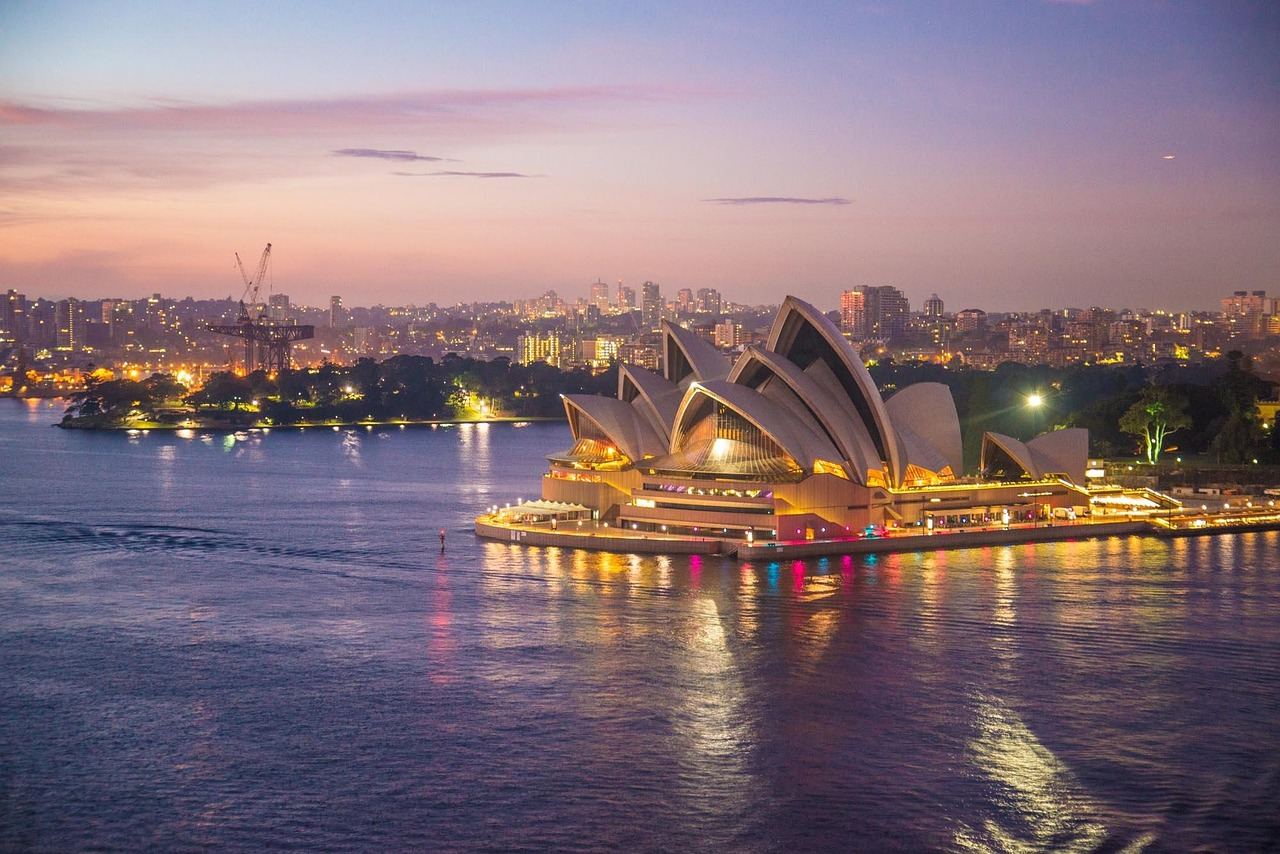
The Gadigal people are the traditional custodians of the City of Sydney’s area. They are one of 29 clans of the Sydney metropolitan area, referred to collectively as the Eora nation, as the City of Sydney notes. bara, a public monument by Waanyi artist Judy Watson, honours the Gadigal on the lawns overlooking Bennelong Point.
Neighbourhoods: where you can live and what it costs
Your suburb choice affects your budget more than any other single decision, according to Migratio’s guide for new migrants. A share house or one-bedroom 40 minutes from the CBD by train can cost half what the equivalent costs in the inner ring.
| Area | What it offers | Typical weekly rent |
|---|---|---|
| Newtown | Inner west, music venues, 10 minutes by train to Central | 1-bed units around $600/week |
| Surry Hills | Cafes and design studios next to the CBD | 1-bed units $550-$600/week |
| Pyrmont and Ultimo | Walking distance to the CBD and Tech Central | 1-bed units $650-$750/week |
| Bondi and Bondi Junction | Beach access, eastern suburbs | 1-bed units $600-$700/week |
| Parramatta | Second CBD with a major hospital and a university nearby | Median unit rent about $500/week |
The ranges above come from Australian Visa Online, updated 13 May 2026. Treat them as a guide to the gap between areas, not as quotes.
Inner city and inner west
Central Station sits between Chinatown and Surry Hills, and Sydney Expert lists it as the nearest City Circle stop for Chippendale’s Central Park complex. The chippendale sydney neighbourhood guide covers the area in more detail, and the best cafes in chippendale page is the place to look for a coffee stop.
If studios and galleries drive your decision, the sydney suburbs for creatives guide is the next stop. Weigh that against rent, since the inner ring costs the most per week.
West and south-west
The west and south-west, including Parramatta, Liverpool, Blacktown and Bankstown, offer considerably cheaper rent than the inner ring and are well served by rail, at the cost of a longer commute into the CBD, according to Migratio. Several suburbs have also become community hubs over decades:
- Cabramatta and Bankstown for Vietnamese and broader South-East Asian communities.
- Hurstville and Chatswood for Chinese communities.
- Auburn and Lakemba for South Asian and Middle Eastern communities.
These are not formal designations, just places where shops, community organisations and job networks have gathered. The same source adds that the north shore and eastern suburbs are the most expensive and least migrant-dense areas, generally suited to established professionals with higher household incomes.
Student areas
Kingsford and Kensington sit within walking distance of UNSW, and Australian Visa Online puts share-house bedrooms there at commonly $300-$400 a week. Camperdown and Darlington, next to the University of Sydney, show a similar range for share houses.
Getting around: Opal, trains, ferries and light rail
Sydney’s public transport network includes trains, light rail, metro, buses and ferries, and contactless payments work on all of them, according to the City of Sydney. If your bank card shows the contactless symbol you can use it, or you can buy an Opal card from retailers such as convenience stores and newsagents. Transport for NSW manages the network.
Always tap on and tap off so you are charged correctly, as The Switch’s student guide points out. The how does opal card work page explains the card in more detail.
Each mode suits a different job:
- Trains: most services start at 4am and run until midnight, with central Sydney trains the most frequent, and night ride buses replace trains from midnight to 4am (The Switch).
- Metro: trains run every 4 minutes in peak times, and as of Sydney Expert’s 4 February 2026 update there were two lines, one from Tallawong to Chatswood and one from Chatswood to Bankstown through the CBD (Sydney Expert).
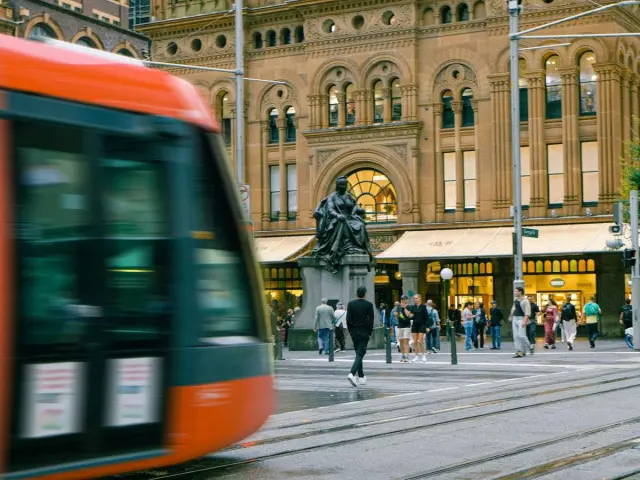
- Light rail: the L1 runs between Central Station and Dulwich Hill, while the L2 connects Circular Quay to Randwick and the L3 runs from Circular Quay to Kingsford (The Switch).
- Ferries: Sydney Public Ferries run from Circular Quay to 8 areas, including Manly, Taronga Zoo, Watsons Bay, Rose Bay and Parramatta (The Switch).
- Buses: they run almost 24 hours a day and reach places without rail, such as the Northern Beaches, where the B Line goes from Wynyard Station to Mona Vale (The Switch).
Adult fares are capped at $19.30 per day Monday to Thursday, $9.65 on Friday, Saturday, Sunday and public holidays, and $50 per week, as of Sydney Expert’s 4 February 2026 update. That makes weekend exploring cheap.
Sydney Expert also lists a $2 adult discount when you transfer between modes within 60 minutes, and a 30% saving off-peak, meaning before 7am, between 9am-4pm or after 6:30pm on weekdays.
The Airport Link train takes about 13 minutes to Central Station, per Sydney Expert. Airport fares include a $17.92 gate fee, because the two airport stations are privately operated.
Driving is workable, but toll roads are common on Sydney’s motorways and add up quickly if you commute across them daily. Many new arrivals don’t need a car in inner and middle-ring suburbs but do want one further out or once they start a family, according to Migratio. For routes and apps, see the sydney public transport guide.
What does living in Sydney cost?
Sydney’s combined dwelling rent, covering houses and units together, sat around $820 a week as at March 2026, the highest of any Australian capital, according to Migratio. The median weekly unit rent sits near $750, per Australian Visa Online.
The same guide puts a single person’s groceries at $100-$160 a week and utilities at approximately $180-$280 a month. Add the $50 weekly Opal cap and you have the main fixed costs, with rent far ahead of the rest.
For a fuller budget, read the cost of living in sydney guide. On the income side, Migratio says the city carries the largest concentration of finance, technology, professional services and corporate head-office jobs in the country.
Competition is part of the deal, because the city’s size means more roles posted but also more applicants competing for them. If you have children, public school enrolment is generally determined by home address catchment zones, which is worth checking before you sign a lease.
Weather, sun and the outdoors
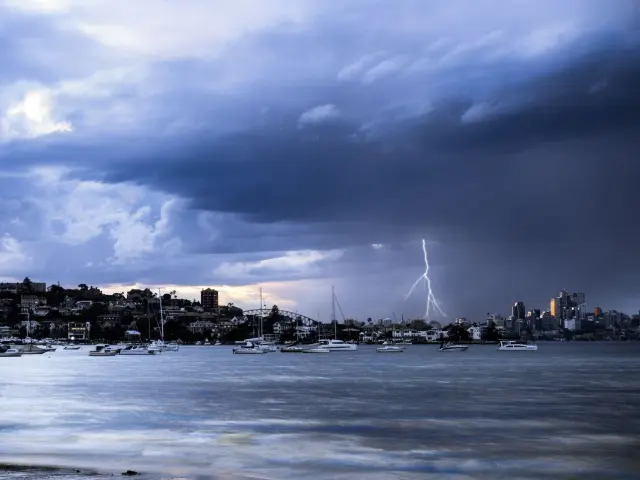
Sydney has a mild, humid subtropical-leaning climate, with warm, occasionally hot summers, high humidity and mild winters that rarely require heavy clothing, according to Migratio. Month-by-month detail sits in the sydney weather by month guide.
The UV is intense whatever the weather, so you need to stay sun safe even on cloudy days, says the City of Sydney. Sunscreen, a hat, sunglasses and a water bottle are the basics.
The outdoors is part of daily life. Australian Visa Online counts more than 100 ocean and harbour beaches inside the metropolitan boundary, describes the Bondi to Coogee coastal walk as six kilometres long, and places Royal National Park 30 minutes south of the CBD.
If you swim, the City of Sydney points to its 6 swimming pools and a harbour swimming enclosure at Barangaroo. At the beach, swim between the red and yellow flags and stick to patrolled beaches.
Everyday culture, galleries and things to do
Sydney is a very walkable city, and the City of Sydney also points to dedicated cycleways and a free Sydney Culture Walks app. The app guides you to hidden laneways, new neighbourhoods and the stories behind public artworks, according to the City of Sydney.
Its What’s On listings are submitted by the public, free events included, so the range is broad. Around 200 volunteer ambassadors in red shirts also meet and greet tourists at hotspots including Circular Quay and The Rocks, and can point you to restaurants, museums, galleries and attractions.
For gallery-going, start with the art exhibitions sydney hub. The things to do in sydney page covers wider options, and the sydney art scene history page gives the background to how the scene took shape.
Everyday culture also lives in the suburbs: the community hubs listed earlier, the cafes and design studios of Surry Hills, and the music venues of Newtown. Spending a weekend on a train to a different suburb is an easy way to see how varied the city is.
Frequently asked questions
Do you need a car for living in Sydney?
Show answer
It depends on where you settle. Closer in, trains, buses and light rail can cover most trips, but the further out you live, the more a car tends to help. Check toll roads and CBD parking costs for your likely route before you commit to a car-dependent suburb.
Is Sydney the same as the City of Sydney?
Show answer
No. The City of Sydney is a local government area of about 26.15 square kilometres, while Greater Sydney covers 12,368.2 square kilometres, according to the City of Sydney.
What is the weekly Opal cap?
Show answer
Adult fares were capped at $50 per week as of Sydney Expert’s 4 February 2026 update. Check the latest fares before you travel.
Which parts of Sydney are cheaper to rent in?
Show answer
The west and south-west, including Parramatta, Liverpool, Blacktown and Bankstown, offer considerably cheaper rent than the inner ring, with a longer commute, according to Migratio.